
Surface water drainage and management made easy.
Building an extension? Planning a new development? Regardless of your project, a SuDS report is your key to smooth sailing through the planning process.
A SuDS report, also known as a Sustainable Urban Drainage System report, is a comprehensive assessment of a proposed drainage strategy within a development project. It outlines the design, implementation, and maintenance of sustainable drainage systems which mimic natural drainage processes, reduce flooding risks, and improve water quality, among other environmental benefits.
Don’t risk delays, denials, or expensive surprises. Get in touch to secure your peace of mind with a SuDS report for your project.
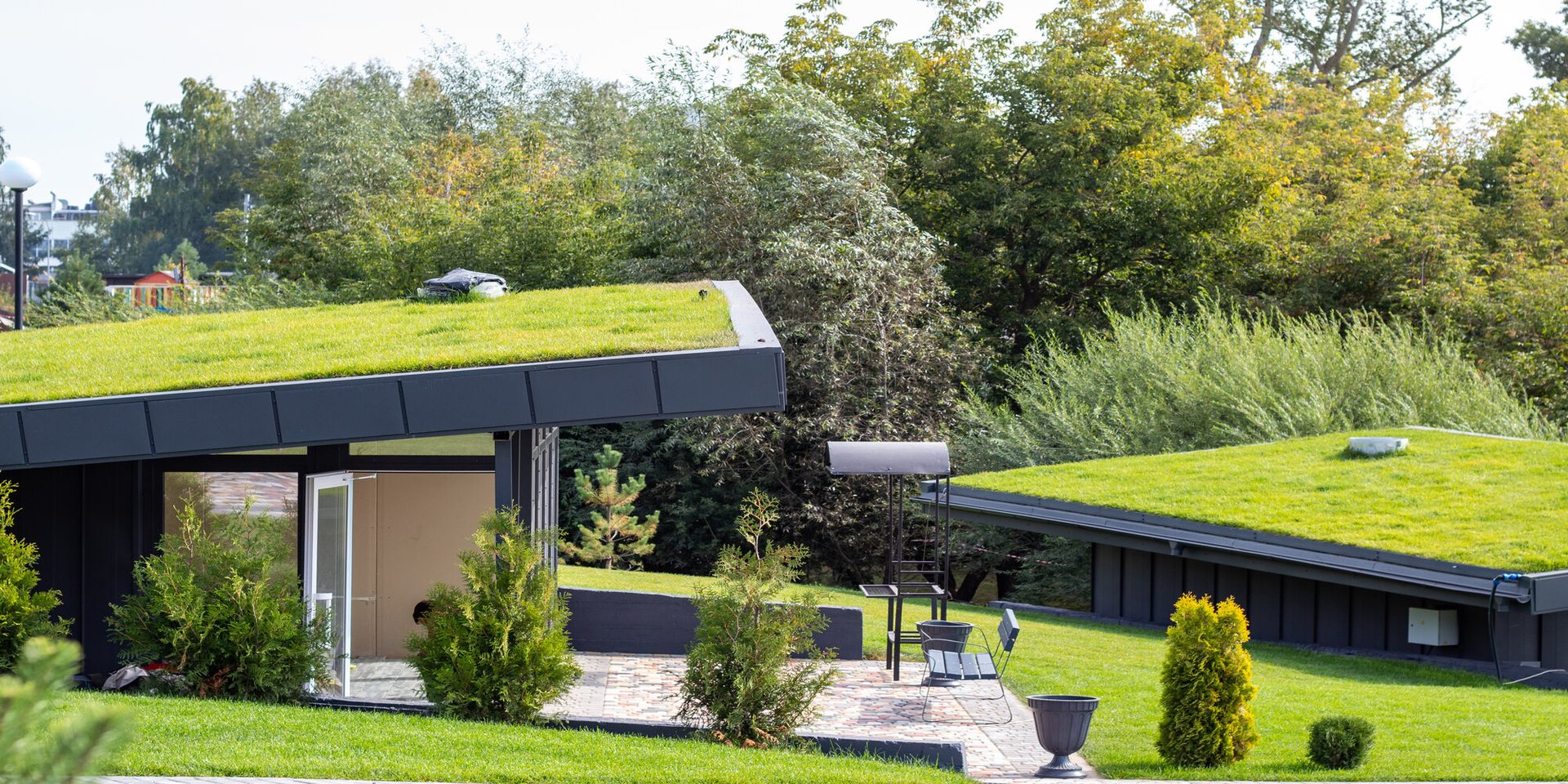
SuDS Example: Green Roof
What is included in our SuDS reports
- Analysis of pre- and post-development surface water runoff, including calculations
- Assessment of pre- and post-development contributing areas and routes of exceedance
- Percolation tests according to BRE365 standards
- Soakaway sizing calculations based on BRE365 guidelines
- Calculations for surface water attenuation
- Examination of SuDS system hierarchy in alignment with local and national policies
- Development of a proposed urban drainage system adhering to local and national policies
- Preparation of outline plans for the layout of SuDS components
- Creation of detailed design plans for the construction of the sustainable drainage system features
- Formulation of management and maintenance plans to ensure the long-term functionality of SuDS throughout the development’s lifespan
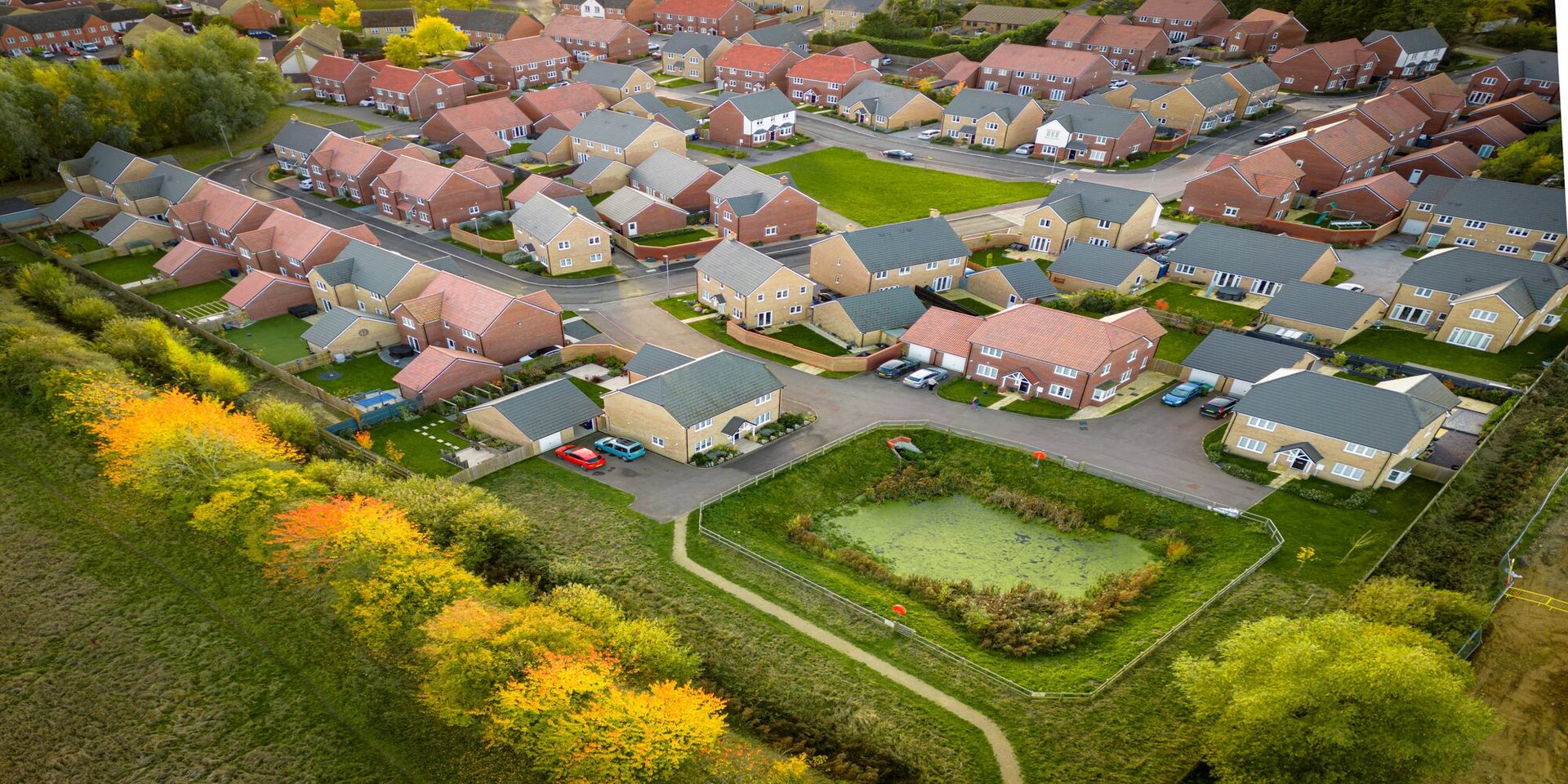
SuDS Example: Attenuation and Detention Features
What are the Benefits of a SuDS Drainage System Report?
Here’s what a SuDS report can do for you:
- Flood Risk Mitigation: SuDS reports provide strategies to mitigate flood risks, safeguarding properties and infrastructure against potential damages caused by stormwater runoff.
- Fast Track Approval: By providing detailed documentation and strategies that adhere to local regulations and environmental standards, SuDS drainage reports simplify and streamline the approval process.This ensures development projects progress efficiently while minimising delays and ensuring timely delivery.
- Environmental Sustainability: By mimicking natural drainage processes, SuDS system solutions promote environmental sustainability, preserving local ecosystems, and enhancing biodiversity.
- Regulatory Compliance: Urban drainage system reports ensure compliance with local regulations and environmental standards, streamlining the approval process for development projects.
- Cost Savings: Implementing the recommendations from SuDS reports can lead to cost savings by reducing the need for expensive flood damage repairs. SuDS reports also minimise fines associated with non-compliance and optimise long-term maintenance costs.
- Improved Water Quality: SuDS systems help improve water quality by reducing pollutants in stormwater runoff, therefore contributing to cleaner waterways and healthier communities.
For more information on SuDS Reports and to gain an understanding of what to expect, please see our latest blog Understanding Sustainable Urban Drainage Systems or feel free to give one of our drainage consultants a call on 01902 585206.
How Do I Know if I Need a SuDS Drainage Report?
If you’re starting a development project that involves managing surface water runoff, you might be wondering whether you need a sustainable drainage system report. Here are some indicators that suggest you could benefit from a SuDS report:
- Local Regulations: Check with your local planning authority to determine if SuDS requirements apply to your project. Many jurisdictions now require urban drainage system solutions to effectively manage stormwater runoff.
- Site Characteristics: Assess your site’s topography, soil type, and drainage conditions. If your site is prone to flooding or has limited drainage infrastructure, a SuDS report can help design appropriate drainage solutions.
- Project Scale: Larger developments or those with highly impervious surfaces (such as car parks or rooftops) typically require more sophisticated drainage strategies. A SuDS report can provide tailored solutions to manage runoff efficiently.
- Environmental Impact: Consider the potential environmental impact of your project. Sustainable urban drainage solutions not only mitigate flood risks but also enhance biodiversity, improve water quality, and promote environmental sustainability.
- Long-Term Planning: If you’re committed to building sustainable and resilient communities, incorporating SuDS into your development plans is essential. A SuDS report can help future-proof your project against climate change impacts and regulatory changes.
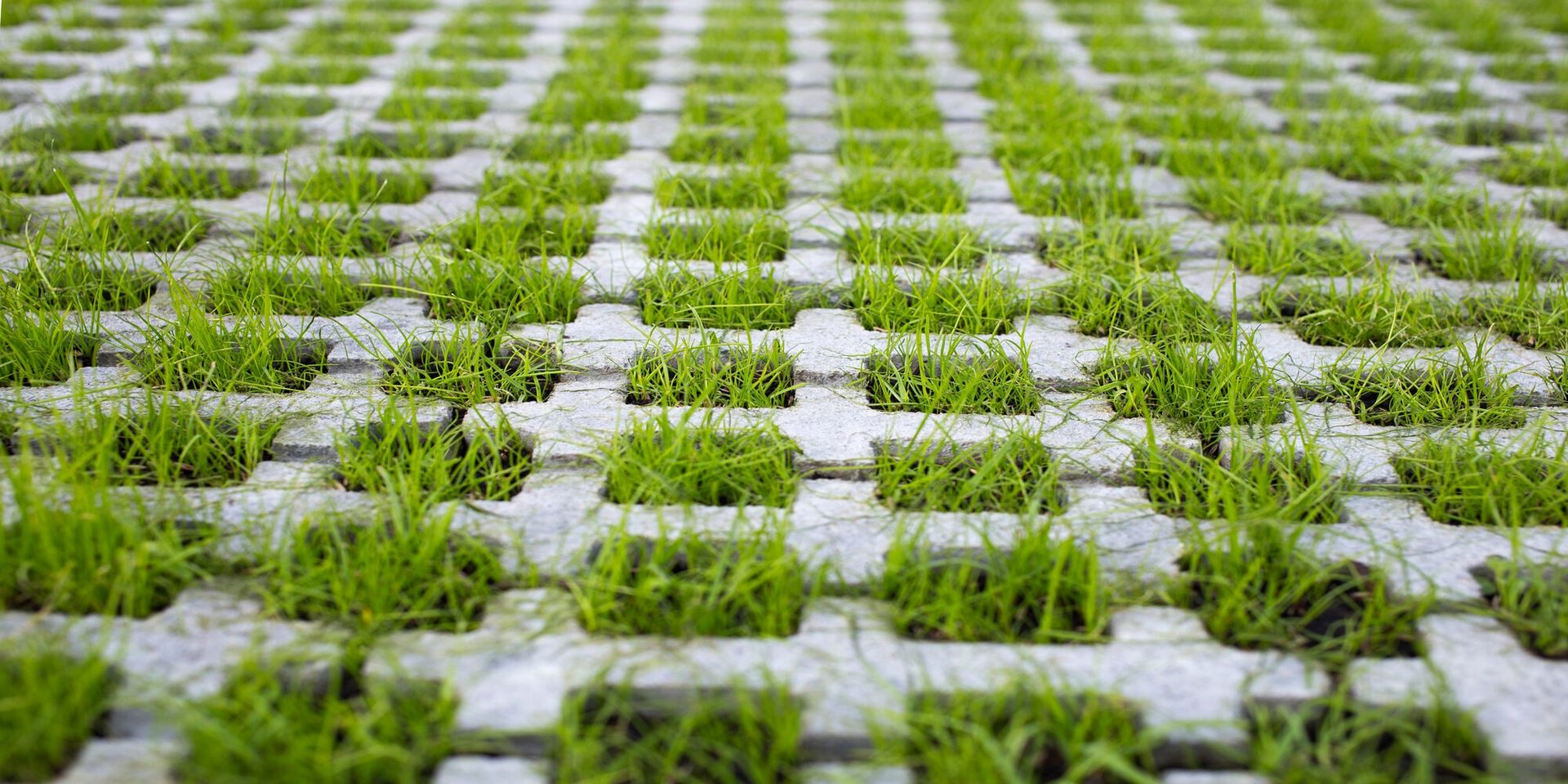
SuDS Example: Permeable Paving
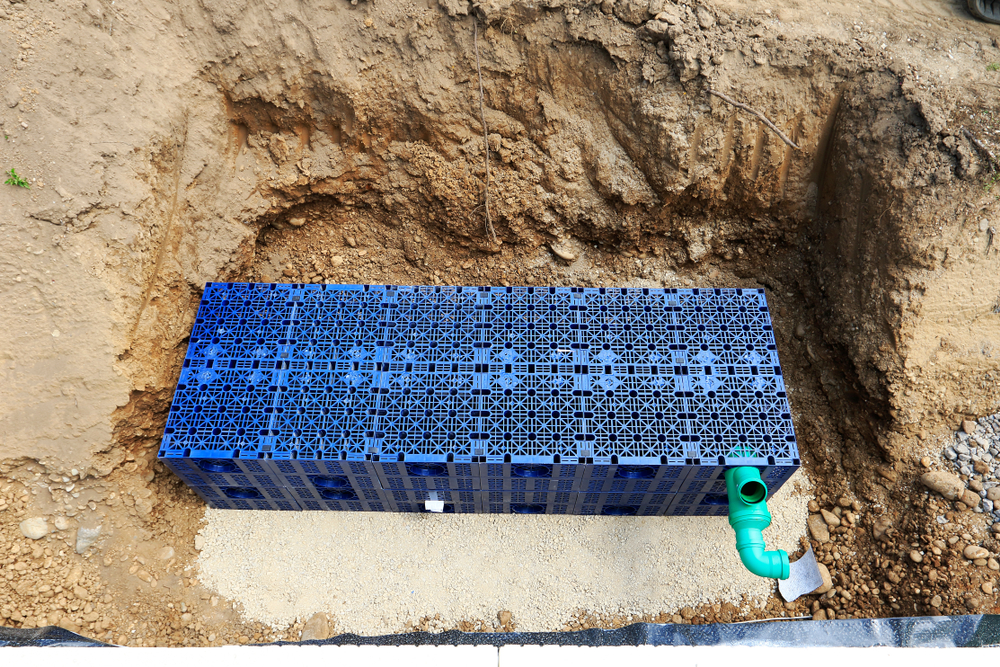
SuDS Example: Soakaway/Infiltration
For more information on SuDS Reports and to gain an understanding of what to expect, please see our latest blog Understanding Sustainable Urban Drainage Systems or feel free to give one of our team a call on 01902 585206.
Why surface water has to be managed
In urban planning and development, managing surface water runoff is a crucial aspect to prevent flooding and environmental degradation. One effective tool employed for this purpose is a Sustainable Urban Drainage System (SuDS) report with our drainage design consultants.
A Sustainable Urban Drainage System (SuDS) report assesses and recommends strategies for efficiently managing surface water runoff in urban areas. It considers eco-friendly approaches to minimise flooding and pollution. The features of a sustainable drainage strategy report can vary site to site.
SuDS report or drainage strategy?
The two names get used interchangeably, and on a small site they often describe the same document. What matters is which one your condition actually asks for.
A drainage strategy is the engineering: where the water goes, at what rate, and how the network is sized to get it there. A SuDS report is that same work set out against the criteria your lead local flood authority applies: the drainage hierarchy worked through in order, treatment stages appropriate to what the water has run over, and how the features will be maintained and by whom.
Send us the condition wording and we will tell you which you need. It is usually one document either way, and pricing for the wrong one is how people end up paying twice.
How a SuDS scheme is put together
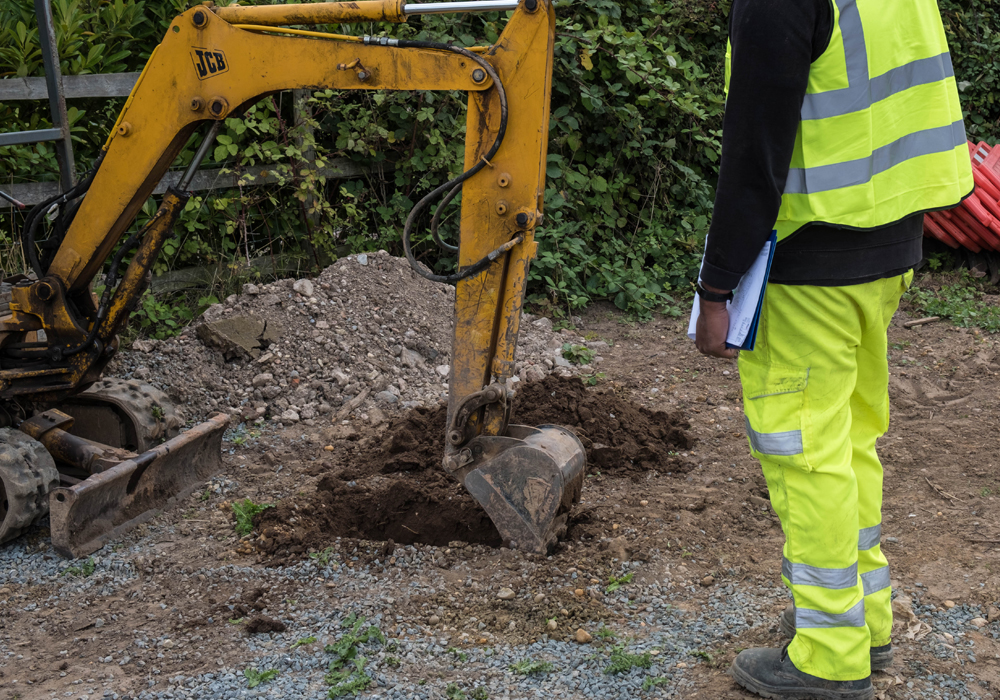
- Site Assessment: The report begins with a detailed analysis of the specific site, considering factors such as topography, soil type (similar to a soakaway percolation test), and existing drainage infrastructure. Understanding these elements helps in tailoring SuDS solutions to the unique characteristics of the location.
- Runoff Management Strategies: SuDS emphasise managing surface water runoff at its source. This involves incorporating features like permeable pavements, green roofs, and swales that allow water to infiltrate the ground, reducing the volume of runoff.
- Biodiversity and Landscape Integration: SuDS aim to enhance the urban environment by integrating sustainable urban drainage system design features with green spaces. This not only helps manage water but also promotes biodiversity, improves aesthetics, and creates more liveable urban areas.
- Water Quality Improvement: Traditional drainage systems often lead to pollutants being swiftly transported into water bodies. SuDS, however, include measures to trap and filter pollutants, contributing to improved water quality in rivers and streams.
- Community Engagement: Successful implementation of SuDS requires community awareness and participation. The report may outline strategies for engaging the public in understanding the benefits of sustainable drainage and encouraging responsible practices.
Why Choose Onn Point for Your SuDS Report?
- Unique Expertise and Experience: Our team is made up of highly skilled drainage design consultants who have the in-depth knowledge of SuDS needed for faultless reports every time. Our proven track record of delivering comprehensive and effective SuDS reports tailored to diverse urban environments makes us second to none in the industry.
- Customised Solutions: Every location is different. Our drainage design specialists provide completely bespoke solutions precisely aligned with the needs of your site. Our SuDS reports prioritise excellent surface water management, biodiversity enhancement and landscape integration.
- Comprehensive Services: Beyond SuDS reports, we offer an entire range of services that are essential for urban planning and development, including Flood Risk Assessment, Soakaway Calculations, and more. This helps us to provide a well-rounded and comprehensive service.
- Commitment to Excellence: At Onn Point, we’re committed to delivering excellence in every aspect. Our dedication to quality, adherence to industry standards, and determination to provide sustainable solutions set us apart as true leaders in our field.
Need a SuDS report? Get in touch with our expert team today, and we’ll take care of the rest.
See a real SuDS report
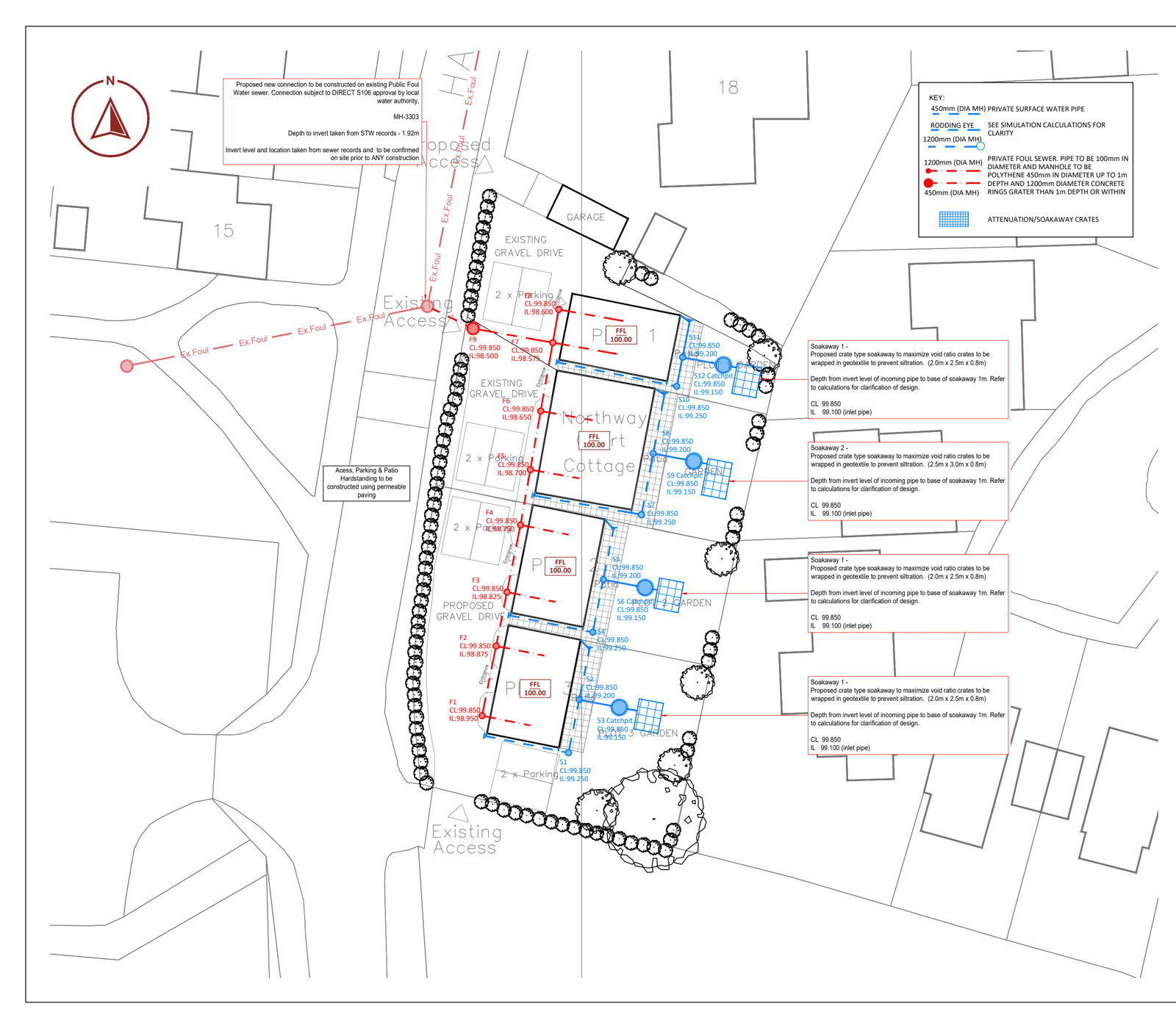
A drainage strategy we prepared for an 18 property development. It sets the greenfield runoff rate, sizes about 190m³ of attenuation for the 1 in 100 year storm plus 45% climate change, provides it in tanked permeable paving and attenuation crates, and limits the discharge to the sewer through a flow control. The drainage layout and the hydraulic simulation results are appended.
Frequently asked questions
What is a SuDS report?
A SuDS report, or Sustainable Urban Drainage System report, is an in-depth evaluation of a proposed drainage plan for a development project. It details the design, implementation, and maintenance of sustainable drainage systems. These systems mimic natural drainage methods, mitigate flood risks, enhance water quality, and provide various environmental benefits.
When would a SuDS system report be required?
A SuDS system report is required for:
- The pre-planning and planning application stage
- Discharging planning conditions
- Flood risk reduction
- BREEAM surface water runoff credits
What happens if I don’t get a SuDS report?
Without a SuDS drainage report for your project, you risk a range of consequences. Some of these consequences include:
- Project delays
- Increased surface water runoff flood risk
- Regulatory complications
- Disruption to lives and business
Can SuDS reports be used for existing developments?
Yes, SuDS reports can be applied to existing developments that require upgrades to their drainage systems. Retrofitting sustainable drainage design solutions works to improve water management, reduce flood risks, and enhance environmental benefits for established properties.
How long does it take to prepare a drainage report?
The time it takes to prepare a SuDS drainage report varies depending on the complexity and scale of the project. Usually, it can take anywhere from a few weeks to several months. This includes site assessment, design development, hydraulic modeling, and report compilation. Contact our team to find out how long it could take to prepare a SuDS report for your particular project.
Who approves SuDS in England?
Surface water drainage in England is dealt with through the planning system. The lead local flood authority is a statutory consultee on major development and sets local standards, and conditions are discharged through the local planning authority. England has no separate SuDS Approving Body, that is a Welsh arrangement under Schedule 3, which does not apply here.
What is the drainage hierarchy?
Surface water should be dealt with as high up the hierarchy as the site allows: infiltration into the ground first, then discharge to a watercourse, then to a surface water sewer, and only as a last resort to a combined sewer. Your strategy has to show why each higher option was discounted.
What discharge rate will I be allowed?
That is set by the lead local flood authority. On greenfield sites it is usually the greenfield runoff rate for the site; on previously developed sites authorities normally expect a betterment on the existing rate. It is agreed rather than assumed, which is why we speak to them early.
Wondering whether you need separate SuDS approval? There is no SuDS Approving Body in England, despite what some council websites still say.
OUR WORK
Client Reviews
We are incredibly proud of our customer feedback please read some of our testimonials below.




Tell us about your site
Send us the site address and the condition wording, or the planning reference, and we will tell you exactly what is needed. If you do not need us, we will say so.