
Sustainable urban drainage systems – also known as SuDS – have revolutionised traditional draining methods to reduce flooding and enhance water quality. But how?
This blog will help you understand sustainable urban drainage system design, including what SuDS are, how they work, and why they’re important.
What are SuDS?
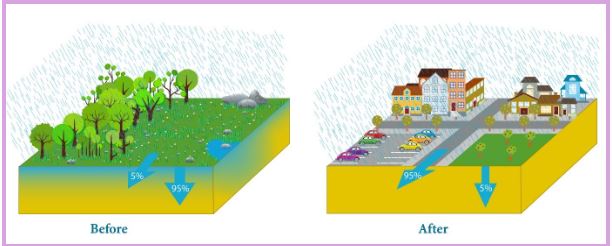
Sustainable Drainage Systems (SuDS) are drainage solutions that provide alternatives to the direct channelling of surface water through networks of pipes and sewers to nearby watercourses (i.e rivers, streams, brooks, becks, culverts). In natural environments, rainwater falls onto permeable surfaces and soaks into the ground – a process called infiltration.
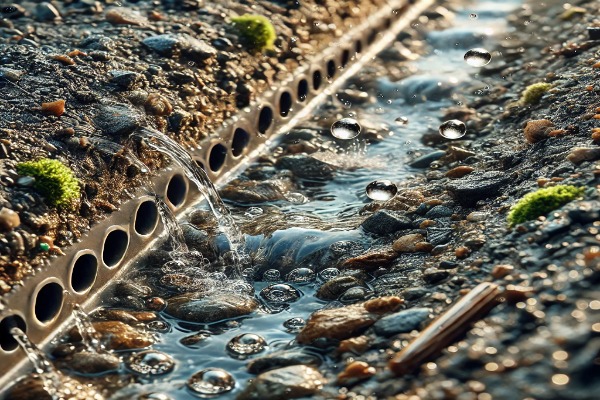
In urban areas, many surfaces are sealed by paving and buildings which means that natural infiltration becomes limited. Instead, to avoid flooding, drainage networks consisting of pipes and culverts divert surface water to local watercourses. In some cases, this has led to downstream flooding and the deterioration of river water quality. This is due to the overwhelming of foul sewers by surface water, resulting in a release of dirty water into rivers.
By mimicking natural drainage regimes, a sustainable drainage strategy works to reduce surface water flooding, improve water quality and enhance the amenity and biodiversity value of the environment by:
- Storing or recycling surface water at source
- Lowering water flow rates to watercourses
- Increasing water storage capacity
- Reducing the transport of pollution to the water environment
How do SuDS work?
SuDS consists of a series of techniques that work together to form a management train. As surface water flows through the system, flow rate is controlled and pollutants are removed. The management train may include these stages:
- Source control methods to decrease the volume of water entering the drainage/river network by intercepting run-off water on roofs for subsequent re-use (e.g. for irrigation) or for storage and subsequent evapotranspiration (e.g. green roofs).
- Pre-treatment steps such as filter trenches or swales that remove pollutants from surface water prior to discharge to watercourses or aquifers.
- Retention systems which delay the discharge of surface water to watercourses by providing storage within ponds, retention basins or wetlands.
- Infiltration systems, such as soakaway designs and infiltration trenches that work by mimicking natural recharge and allowing water to soak into the ground.
Why are SuDS important?
When a natural environment is developed, an important part of the surface becomes impervious, i.e roads, buildings, car-parks etc. The aim of SuDS developed by expert drainage design consultants like ours here at Onn Point, is to reduce surface water flooding, improve water quality and improve the environment’s amenity biodiversity.
Existing urban drainage systems unable to cope with excessive amounts of water cannot be overstated because without green infrastructure, the damage caused by flooding will only increase.
A recent Climate Change Committee report has warned that almost 200,000 properties in England might have to be abandoned by 2050 because of sea levels rising1, and the Energy and Climate Intelligence Unit has predicted roughly 35,000 hectares of horticultural and arable land are at risk of flooding every three years2. This means that by the 2080s, the risk of flooding could reach 130,000 hectares of high-quality land.
So, to help reduce this risk, it is vital that solutions are put in place, and SuDS are a natural and highly effective solution.
In Summary
Representing a shift to more sustainable practices, the importance of SuDS cannot be overstated. By emulating natural processes and reducing the impact of urban development on watercourses, sustainable urban drainage system designs are creating healthier environments for both people and wildlife.
They offer a holistic approach to managing water that fosters harmony between our infrastructure and the natural world, making our cities safe and livable for generations to come. The challenges of climate change and urbanisation must be addressed – and SuDS are a key way to do it.
At Onn Point, our drainage design specialist team is committed to crafting professional sustainable urban drainage designs that seamlessly harmonise with the environment. Our expert SuDS reports can also help you understand exactly what is needed from your sustainable drainage design to meet the demands of your project.
Get in touch with our team today and let us guide you towards a greener, more sustainable future.
How sustainable drainage systems work
Understanding Sustainable Drainage Systems (SuDS)
Sustainable Drainage Systems (SuDS) – also known as a sustainable drainage strategy – represent an innovative approach to managing surface water runoff in urban and rural areas.
Unlike traditional drainage systems that swiftly convey rainwater away from built-up areas, SuDS mimic natural processes, allowing water to infiltrate into the ground, evaporate, or be harvested for later use.
In this comprehensive guide, Onn Point delve into the intricacies of how SuDS work, their components, benefits, and frequently asked questions surrounding its implementation.
The Importance of Sustainable Drainage Systems
Sustainable Drainage Systems play a pivotal role in addressing several environmental challenges and promoting resilience in the face of climate change. Let’s explore some of the key reasons why SuDS are indispensable:
Mitigating Flooding
One of the primary functions of SuDS reports is to reduce the risk of flooding by managing the volume and flow of surface water runoff.
Traditional impermeable surfaces, such as concrete and asphalt, contribute to rapid runoff and overwhelming drainage systems during heavy rainfall events.
SuDS, on the other hand, absorb and attenuate rainfall, slowing down the flow of water and reducing the strain on drainage infrastructure.
Enhancing Water Quality
By allowing rainwater to filter through natural or engineered components, SuDS help improve water quality by removing pollutants and sediments before they enter rivers, lakes, and groundwater systems. This natural filtration process helps protect aquatic ecosystems and safeguard public health.
Supporting Biodiversity
SuDS incorporates green spaces and habitats that support a diverse range of flora and fauna. From rain gardens teeming with native plants to retention ponds that provide refuge for aquatic species, these features enhance biodiversity and create valuable wildlife corridors within urban environments.
How Do Sustainable Drainage Systems Work?
SuDS operate through a series of interconnected processes that mimic natural hydrological cycles. Here’s how they work:
Collection of Rainwater
During rainfall events, SuDS components such as permeable surfaces, green roofs, and rain gardens collect rainwater, preventing it from immediately entering drainage systems.
Storage and Infiltration
The collected rainwater is stored temporarily within SuDS components, where it infiltrates into the ground, recharging groundwater aquifers and reducing the volume of surface runoff.
Slow Release of Water
Excess rainwater is released slowly over time, either through evaporation, transpiration by plants, or controlled discharge into watercourses, minimising the risk of flooding downstream.
FAQs About Sustainable Drainage Systems
Here are answers to some commonly asked questions about Sustainable Drainage Systems:
Do Sustainable Drainage Systems Require Maintenance?
Yes, like any infrastructure, SuDS require regular maintenance to ensure optimal performance. However, maintenance requirements are often less intensive compared to traditional drainage systems.
Can Sustainable Drainage Systems Be Incorporated into Existing Infrastructure?
Yes, SuDS can be retrofitted into existing developments, although the feasibility and effectiveness may vary depending on site conditions and constraints.
Are Sustainable Drainage Systems Effective in Urban Areas?
Yes, SuDS are highly effective in urban areas, where they can help alleviate the adverse impacts of urbanisation such as increased runoff and reduced green space.
How Do Sustainable Drainage Systems Compare to Traditional Drainage Systems?
SuDS offer several advantages over traditional drainage systems, including improved flood resilience, enhanced water quality, and greater ecological benefits.
Onn Point: Civil Engineering Design Specialists
Onn Point is your trusted partner for all your civil engineering design needs. We specialise in providing comprehensive solutions for Sustainable Drainage Systems (SuDS) and other infrastructure projects. Our team of experienced professionals is dedicated to delivering high-quality services tailored to meet your specific requirements. With Onn Point, you can expect:
-
- Expertise: Our team consists of highly qualified engineers and consultants with extensive experience in the field of civil engineering design.
- Innovation: We leverage cutting-edge technology and innovative techniques to develop sustainable and cost-effective solutions for our clients.
- Collaboration: We work closely with our clients to understand their needs and objectives, ensuring that our solutions are aligned with their goals.
- Quality: We are committed to delivering excellence in everything we do, from initial concept development to final implementation.
- Customer Satisfaction: Your satisfaction is our top priority. We strive to exceed your expectations and deliver results that exceed expectations.
Whether you’re planning a new development, retrofitting existing infrastructure, or seeking expert advice on drainage design, Onn Point has the expertise and resources to support you every step of the way. Contact us today to learn more about our services and how we can help you achieve your project goals, or explore more of our services including flood risk assessments, highway drainage design, and more.
The benefits of a sustainable drainage strategy
Traditional drainage systems have long served us well. But as the world continues to evolve, the environmental repercussions of these outdated drainage systems are becoming more and more apparent. Increased flooding, water pollution, and habitat degradation are all things we can do without. The emergence of Sustainable Urban Drainage Systems (SuDS) represents a paradigm shift towards eco-conscious practices that not only alleviate flooding risks but also prioritise environmental conservation and community resilience. At Onn Point, we’re proud to champion SuDS as the cornerstone of modern urban development. In this blog, we’ll explore the main benefits of SuDS and their role in shaping a greener, more sustainable future.
The Main Benefits of Sustainable Drainage Strategies
1. Flood Risk Reduction:
Traditional drainage systems often struggle to cope with heavy rainfall events, leading to flooding and property damage. Sustainable drainage strategies are designed to mimic natural water cycles and allow for better infiltration and storage of rainwater. By reducing surface runoff and managing stormwater at the source, these strategies help mitigate flood risks and protect communities from the devastating effects of water-related disasters.
2. Improved Water Quality:
Conventional stormwater runoff often carries pollutants such as sediment, oil, and chemicals into water bodies. This can have a devastating impact on water quality and can also cause harm to aquatic ecosystems. Our drainage design specialist team incorporate features into sustainable drainage strategies like vegetated swales, constructed wetlands, and bioretention basins. These features act as natural filters, removing contaminants and improving water quality before it reaches streams, rivers, and lakes. By treating stormwater close to the source, these strategies help preserve the health of our waterways and safeguard the environment for future generations.
3. Enhanced Urban Green Spaces:
SuDS not only serve functional purposes but also contribute to the creation of vibrant urban green spaces. They not only capture and store stormwater but also provide habitat for native plants and wildlife, improve air quality, and enhance aesthetic appeal. By integrating green infrastructure into urban landscapes, cities can enhance liveability, promote biodiversity, and create valuable, long-lasting recreational spaces for residents to enjoy. A SuDS report is crucial when incorporating green infrastructure into cities and urban spaces.
4. Cost Savings:
While the initial investment in sustainable drainage infrastructure may seem daunting, the long-term cost savings are undeniable. By reducing the burden on traditional sewer systems, minimising flood damage, and improving water quality, sustainable drainage strategies can lead to significant savings in maintenance and infrastructure repair costs over time.
5. Climate Resilience:
As climate change intensifies, cities are faced with increasingly extreme weather events such as heavy rainfall, heatwaves, and droughts. Sustainable drainage strategies with our drainage design consultants play a crucial role in enhancing climate resilience by helping cities adapt to changing environmental conditions. By incorporating flexible, nature-based solutions that can absorb, store, and release water in a controlled manner, cities can better withstand the impacts of climate change and ensure the long-term sustainability of their water management systems.
6. Regulatory Compliance:
With growing awareness of environmental issues and stricter regulations governing stormwater management, developers and municipalities are under increasing pressure to adopt sustainable drainage practices. By proactively integrating green infrastructure and sustainable drainage measures into their projects, developers can streamline the permitting process, demonstrate compliance with regulatory requirements, and avoid potential fines or penalties for non-compliance. To conclude, sustainable drainage strategies offer a multitude of benefits for urban communities, the environment, and the economy. From reducing flood risks and improving water quality to enhancing urban green spaces and promoting climate resilience, the advantages of embracing sustainable drainage practices are endless. At Onn Point, we’re committed to advancing sustainable solutions that prioritise the well-being of communities and the planet. Contact us to find out more about how we’re building a more resilient and sustainable future through innovative drainage strategies. Together, let’s make a positive impact on our cities and our world.
SuDS in brief
Sustainable Urban Drainage Systems (SuDS) are a way of managing rainwater in urban areas in a sustainable and environmentally friendly way. They aim to mimic natural drainage systems and reduce the risk of flooding while also improving water quality. One of the main features of SuDS is the use of permeable surfaces, such as permeable paving and green roofs, which allow water to filter through rather than running off into drainage systems. This helps to reduce the volume of water entering the drainage system, reducing the risk of flooding. Another key aspect of a sustainable drainage strategy is the use of retention and detention ponds. These are designed to hold water temporarily, allowing it to be released slowly into the drainage system. This helps to reduce the peak flows of water and prevent flash flooding. SuDS also include rain gardens, which are designed to capture and filter rainwater. These can be planted with native vegetation and can help to improve water quality by removing pollutants from the water. In addition, SuDS can include swales, which are shallow channels that slow down and spread out the flow of water. This helps to reduce erosion and the risk of flooding. SuDS can also be integrated with grey infrastructure such as traditional drainage systems, using the concept of “the first flush” where a portion of the rainwater is directed to a storage tank and the rest is directed to the traditional drainage system. One of the main benefits of SuDS is that they help to improve water quality by reducing the amount of pollutants that enter the drainage system and watercourses. They also provide a number of other benefits such as reducing the risk of flooding, improving biodiversity, and creating attractive green spaces in urban areas. It’s important to note that the design, construction, and maintenance of SuDS should be in accordance with local regulations and guidelines. It is also essential to consult a SuDS report and to consider the specific characteristics of the site and the local climate when designing SuDS.
Wondering whether you need separate SuDS approval? There is no SuDS Approving Body in England — despite what some council websites still say.